
What Is Dirt Work in Construction?
Dirt work in construction involves preparing the land so building projects can begin safely and efficiently. Dirt work services include grading, leveling, trenching, and shaping the earth to support foundations, roadways, and landscaping. Dirt work ensures proper drainage, stability, and a strong base for construction.
Dirt work construction examples range from clearing a lot for a new home to grading areas for commercial projects. At Blue Collar Construction in Dickson, Tennessee, we provide a full range of construction services, including expert site prep dirt work, with Southern hospitality. We serve the Volunteer State with reliable, professional support. Call (615) 241-0118 today to get started.
Contact Our Team Today!
Starting a dirt work project is a foundational step for any build, and having the right crew makes all the difference. If you’re preparing your land for construction, grading, driveways, or site development, our team can guide you through what your property needs to be build-ready. Just complete our short consultation form, and one of our specialists will reach out to talk through your goals, the scope of work, and the next steps.
(615) 241-0118
contact@bluecollarconstruction
services.com
Defining Dirt Work in the Construction Industry
The dirt work definition in construction refers to the essential tasks of moving, grading, and shaping the land to prepare a site for building. Understanding dirt work services helps you see how grading, leveling, and trenching create stable foundations, proper drainage, and safe construction zones. These tasks are the groundwork for every successful project.
At Blue Collar Construction in Dickson, TN, you have access to a variety of construction services, including site prep dirt work and other essential earthmoving tasks. From residential lots to commercial projects, we provide professional, precise dirt work that ensures a strong, reliable foundation supports every build.
The Origins of the Term “Dirt Work”
The term “dirt work” originates from the construction industry’s need to describe all tasks involving the movement and preparation of soil. When you explore the dirt work definition in construction, you’ll see it covers grading, excavation, trenching, and shaping land to create stable foundations for buildings and infrastructure.
Blue Collar Construction offers a wide variety of dirt work services for residential and commercial projects. From dirt work site preparation to grading and leveling, we have the precision and expertise required to prepare any Tennessee property for successful development. If you’ve been searching “dirt work meaning” or have questions like “What does dirt work include?” reach out to us today.
How Dirt Work Fits into Site Preparation in Construction
Dirt work plays a central role in site preparation in construction, ensuring the land is ready for building and development. When you understand dirt work services, you see that grading, leveling, and trenching are essential for creating stable foundations, proper drainage, and safe construction zones. These dirt work examples set the stage for every successful project.
You can rely on Blue Collar Construction for professional dirt work site preparation for a variety of projects. From residential lots to commercial developments, we handle site prep dirt work and other earthmoving tasks with expertise and precision. These services are critical to ensuring long-lasting results.
Which Companies Offer Accessory Building Construction Near Dickson, Tennessee?
If you’re searching for reliable accessory building services near Dickson, Tennessee, Blue Collar Construction stands out as a top choice. Our trusted accessory structure builders specialize in providing durable accessory building solutions that meet your needs. From residential accessory dwelling unit construction to commercial accessory buildings, our team brings expertise, precision, and commitment to every project.
Blue Collar Construction offers a full range of detached building construction services, from pavilion and gazebo construction to workshop and hobby room construction. Our backyard building contractors can design and install custom accessory structures, energy-efficient accessory structures, and small building additions.
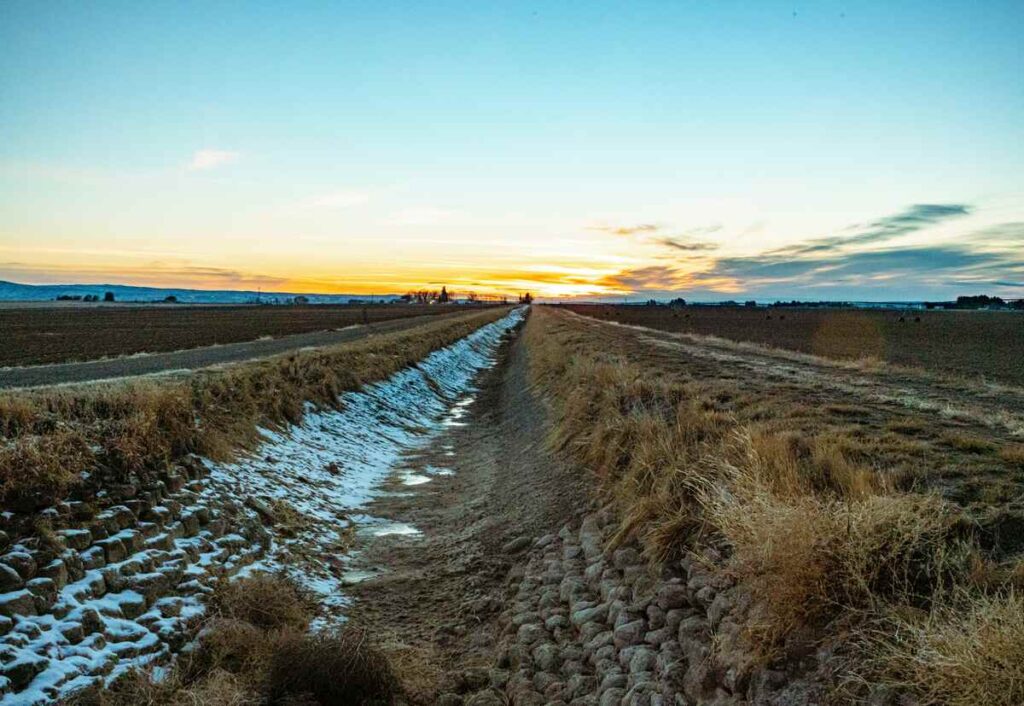
What Are the Most Common Types of Dirt Work in Construction?
Dirt work in construction involves several essential processes that prepare the ground for safe, stable building. Understanding dirt work services helps you see how different techniques support each phase of development. From moving large volumes of soil to fine-tuning surface levels, dirt work ensures each Tennessee construction project starts on solid, dependable ground.
Excavation and Earthmoving
Excavation and earthmoving are key parts of dirt work in construction, forming the foundation for every project. When you explore dirt work vs excavation, you’ll find that excavation focuses on digging and removing soil for foundations, trenches, or utilities, while dirt work examples include broader tasks like grading, leveling, and shaping the land for stability and drainage.
Blue Collar Construction’s skilled crews handle excavation and site prep dirt work with precision and care. These dirt work construction examples demonstrate how proper earthmoving supports long-term structural integrity. Whether you’re preparing land for a new home or a large-scale commercial build, dirt work contributes to a smooth, durable construction process.
Grading and Leveling Land
Grading and leveling are vital components of dirt work in construction, ensuring the ground surface is even, stable, and ready for building. These processes shape the land to promote proper drainage, prevent erosion, and support long-term structural integrity. Precise grading and leveling are essential for a strong, dependable foundation.
Blue Collar Construction handles grading and leveling with accuracy and efficiency. Our team uses advanced equipment to prepare land for construction while maintaining safety and environmental standards. From site prep dirt work to large-scale development projects, we understand the importance of precise land shaping in successful Tennessee building projects.
Drainage and Soil Management
Drainage and soil management are essential parts of dirt work in construction, helping protect structures from water damage and foundation issues. Proper drainage systems guide water away from building sites, while effective soil management ensures the ground remains compact and stable. Together, these processes maintain safety, durability, and efficiency throughout a construction project.
At Blue Collar Construction, the team prioritizes accurate drainage planning and soil stabilization during every phase of site prep. These services prevent pooling, erosion, and shifting ground, creating a balanced environment for long-term structural success. By addressing both water flow and soil condition, we ensure reliable results for residential and commercial developments.
Trenching and Compaction
Trenching and compaction are crucial stages of dirt work in construction, ensuring stability and functionality across every project. Trenching creates precise channels for utilities like water, gas, and electrical lines, while compaction strengthens the soil by reducing air gaps. These steps work together to provide a firm, dependable base for construction and long-term site durability.
Blue Collar Construction completes trenching and compaction with careful attention to safety and accuracy. We use advanced equipment to achieve consistent soil density and clean, properly measured trenches. From residential properties to larger commercial builds, thorough site prep dirt work helps Tennessee construction projects maintain solid foundations and prevent future structural or drainage problems.
Erosion Control
Erosion control protects your construction site from costly setbacks and environmental damage. By managing how water and wind move across the land, you reduce the risk of soil loss, sediment runoff, and unstable foundations. Effective erosion control safeguards the integrity of your entire project from start to finish.
At Blue Collar Construction, erosion prevention is built into every phase of site prep dirt work. Techniques like silt fencing, proper grading, and soil stabilization are used to keep soil in place and water flowing safely away. This proactive approach ensures your property remains secure, compliant, and ready for development in any weather condition.
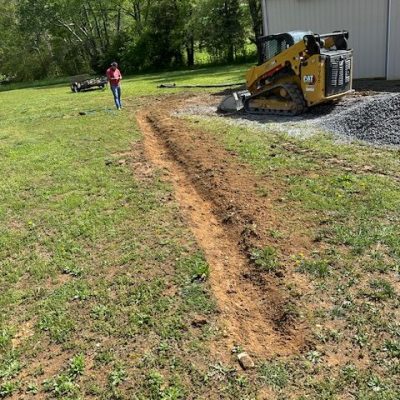
Why Is Dirt Work Essential for Construction Projects?
Dirt work is essential for construction projects because it lays the foundation for everything that follows. When you focus on proper site prep dirt work, the land becomes stable, level, and properly drained, reducing risks of structural issues and costly delays. Expert dirt work supports safety, longevity, and efficiency across every build.
Construction projects benefit from thorough grading, excavation, trenching, and soil management to ensure the site is fully prepared. Blue Collar Construction provides these services with precision and care, helping your property remain stable and ready for development. If you have questions like, “What is dirt work in construction?” contact us for more information.
Creating a Stable Foundation for Construction
A stable foundation is the backbone of any successful construction project. When you prepare the land properly through dirt work, you ensure the soil is compacted, leveled, and free from hazards that could compromise structural integrity. This careful preparation protects your investment, prevents future problems, and allows your project to progress smoothly from the ground up.
Blue Collar Construction offers comprehensive dirt work to create secure foundations for residential and commercial projects. From grading and drainage to trenching and soil stabilization, every step is designed to support long-lasting structures. Proper foundation preparation not only enhances safety but also helps your property withstand environmental factors unique to the Volunteer State.
Erosion Prevention and Water Issues
Preventing erosion and managing water on your construction site can save you money, time, and headaches. Without proper control, rain and runoff can wash away soil, damage foundations, and create unsafe conditions. By addressing these issues early, you protect your investment and ensure a smoother, more efficient building process from start to finish.
Techniques such as proper grading, installing drainage channels, and stabilizing soil are part of controlling water and minimizing erosion. Blue Collar Construction uses these measures to create a safer environment for construction, reduce long-term maintenance problems, and help your property thrive in Tennessee’s varied terrain and weather conditions.
Compliance and Safety
Proper dirt work sets the stage for a construction project that lasts. If you want your site to stay safe, stable, and efficient, you need careful grading, soil compaction, and drainage planning. These steps protect your investment and prevent delays caused by unstable ground or water issues.
In Tennessee, managing your site goes beyond simply preparing the surface. Techniques like trenching for utilities, controlling runoff, and preventing erosion all work together to create a reliable foundation. When you prioritize these efforts, your project moves forward with confidence. Blue Collar Construction in Dickson, TN, provides expert site prep to help your property thrive, no matter the terrain or weather conditions.
What Are the Differences Between Residential and Commercial Dirt Work Applications?
Dirt work varies depending on whether your project is residential or commercial, and knowing the differences helps you plan effectively. The scale, techniques, and equipment can change significantly, from preparing a single-family lot to managing expansive commercial sites. How you approach grading, soil management, and drainage will depend on your property type and project goals.
For residential projects, dirt work often emphasizes careful grading for yards, driveways, and foundations, along with smaller-scale excavation for basements or landscaping features. Commercial applications involve larger-scale earthmoving, extensive compaction, and advanced drainage systems to accommodate buildings, parking lots, and roadways. The following sections will explore residential and commercial dirt work in detail, highlighting the unique considerations and services for each project type.
Common Residential Dirt Work Projects
When you’re preparing a residential property for construction or landscaping, dirt work is one of the first steps and ensures everything is stable and functional. Proper grading, leveling, and minor excavation protect your home’s foundation, manage water flow, and create a safe, attractive environment. Even small projects benefit from careful site preparation to prevent long-term issues.
Common residential dirt work examples include grading yards to prevent flooding, excavating for basements or additions, and trenching for utility lines. You may also need soil compaction for driveways, patios, or pathways. Blue Collar Construction in Dickson, TN, provides these services with precision, helping homeowners maintain a secure foundation while improving your property’s appearance and usability.
Large-Scale Commercial Dirt Work Projects
When you take on a commercial construction project, dirt work becomes a major factor in long-term success. Large-scale grading, excavation, and soil stabilization ensure that roads, parking lots, and building foundations can handle heavy use and environmental stress. Proper preparation reduces costly delays and keeps your project on schedule.
Commercial dirt work projects often involve extensive site clearing, deep excavation for utility networks, and precise compaction to support structures and high-traffic areas. Advanced drainage systems may also be required to prevent flooding and erosion. Blue Collar Construction provides comprehensive services that balance efficiency, safety, and durability, helping you achieve a solid foundation for commercial developments.
How Does Proper Dirt Work Ensure Stability and Safety During Construction Projects?
Proper dirt work is essential for keeping your construction project stable and safe. When you take the time to grade, level, and compact soil correctly, you reduce the risk of foundation issues, uneven settling, and water damage. Effective site preparation also ensures heavy equipment and materials can be used safely, minimizing accidents and delays.
By addressing soil conditions, drainage, and erosion control, Blue Collar Construction creates a reliable base that supports every stage of construction. From residential homes to commercial developments, proper dirt work prevents structural problems and helps your project stay on track. Contact us for more information on professional dirt work services and expert site preparation.
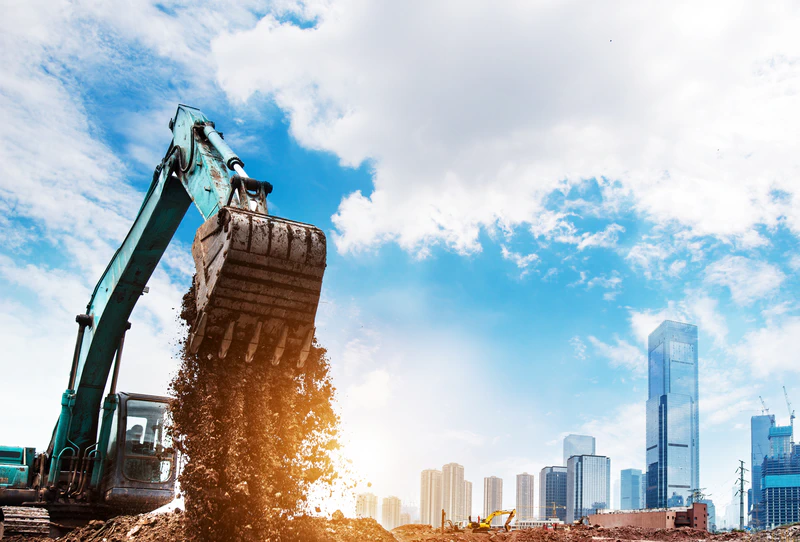
What Construction Equipment is Typically Used in Dirt Work Projects?
When you start a dirt work project, the right equipment makes all the difference in efficiency, safety, and results. From moving large amounts of soil to grading and leveling the land, each machine plays a specific role. Knowing what equipment is typically used helps you plan for your project and understand how different tools contribute to successful site preparation.
You’ll rely on excavators for digging and trenching, dump trucks for hauling soil and debris, bulldozers for grading and leveling, and compactors to ensure stable, even surfaces. Blue Collar Construction may use additional equipment like skid steers, backhoes, and graders, depending on the project’s scale and complexity. The following sections explore each piece of equipment in detail.
Excavators and Bulldozers
Excavators and bulldozers are essential tools for most dirt work projects, giving you the power to move large amounts of soil with speed and efficiency. When you’re preparing a site, these machines allow you to dig foundations, clear land, and shape the terrain with precision. Their versatility makes them indispensable for residential and commercial projects.
Excavators are perfect for digging trenches, removing debris, and handling heavy materials, while bulldozers excel at grading, leveling, and pushing large quantities of soil across the site. Blue Collar Construction uses these machines to streamline site prep dirt work, ensuring a stable foundation, proper drainage, and a smooth surface ready for construction or landscaping on your property.
Dump Trucks and Hauling
Efficient hauling can make or break your dirt work project. When soil, rocks, and debris need to be moved quickly, dump trucks keep your site organized and on schedule. Using the right hauling equipment reduces delays, prevents overloading, and ensures that material is placed or removed safely, saving both time and money.
Dump trucks are designed to transport large volumes of dirt, gravel, or construction waste, making them ideal for site prep and excavation projects. They work in tandem with other equipment, such as excavators and bulldozers, to move material efficiently across your property. Blue Collar Construction uses professional hauling strategies to keep dirt work projects flowing smoothly, helping your residential or commercial site stay clean, safe, and prepared for the next phase of construction.
Skid Steers and Graders
When precision and versatility are key, skid steers and graders become invaluable on a dirt work site. If you want smooth surfaces, accurate grading, and efficient material movement, these machines make the process faster and more controlled. They let you tackle a variety of tasks without compromising quality, whether for small residential lots or expansive commercial projects.
Skid steers maneuver easily in tight spaces, lifting, digging, and transporting soil where larger machines cannot reach. Graders excel at creating level surfaces and managing proper drainage across wide areas. Using both together ensures detailed, efficient site preparation, producing stable, ready-to-build land suitable for any construction project.
Blue Collar Construction Delivers Work You Can Rely On
What Are Some Common Dirt Work Projects?
Dirt work forms the backbone of many construction and landscaping projects. When you’re preparing a site, moving soil, leveling land, and managing drainage are all critical to creating a safe and stable environment. Proper dirt work prevents future structural issues, erosion, and water problems while making your project more efficient and reliable.
Common dirt work projects range from residential tasks like grading yards, excavating for foundations, and trenching for utilities to larger commercial applications such as leveling parking lots, constructing roads, and preparing building sites. If you’ve been wondering, “What does dirt work include?” read on to learn more.
Clearing Land for Parking Lots or Roads
Clearing land for parking lots or roads is a critical step that sets the stage for safe, functional, and long-lasting surfaces. When you tackle these projects, removing trees, rocks, and other obstacles ensures that grading, drainage, and paving can be completed efficiently. Proper site preparation prevents future maintenance issues and creates a smooth foundation for vehicles and foot traffic.
During the process, heavy equipment like bulldozers, excavators, and skid steers is used to move soil, level the ground, and remove debris. Drainage systems are often installed to manage runoff and prevent erosion. By carefully clearing and preparing the land, you ensure parking areas and roads remain durable, accessible, and reliable for years to come.
Site Preparation for Commercial Building Construction
Proper site prep is the foundation of a successful commercial building project. If you want your structure to stand strong and last for years, the way the land is cleared, graded, and stabilized matters. Effective site prep minimizes delays, controls water flow, and ensures the construction process moves smoothly from start to finish.
You may need extensive excavation, soil compaction, and erosion control to handle heavy structures and traffic. Trenching for utilities, installing drainage systems, and removing obstacles all play a role in creating a reliable foundation. Blue Collar Construction ensures these steps are done correctly so your project benefits from stability, safety, and long-term performance.
Preparing a Lot for a New Home
Preparing a lot for a new home creates a safe, level, and durable foundation for your future. When you invest time in proper dirt work, you reduce the risk of water damage, uneven settling, and costly repairs later. A well-prepared lot makes construction faster, smoother, and more reliable.
Site preparation for a home typically involves grading the land to ensure proper drainage, excavating for basements or footings, and compacting soil to support the structure. Trenching for utilities, removing rocks or debris, and managing erosion are also important. By taking these steps, you ensure your property is stable, functional, and ready for every stage of building.
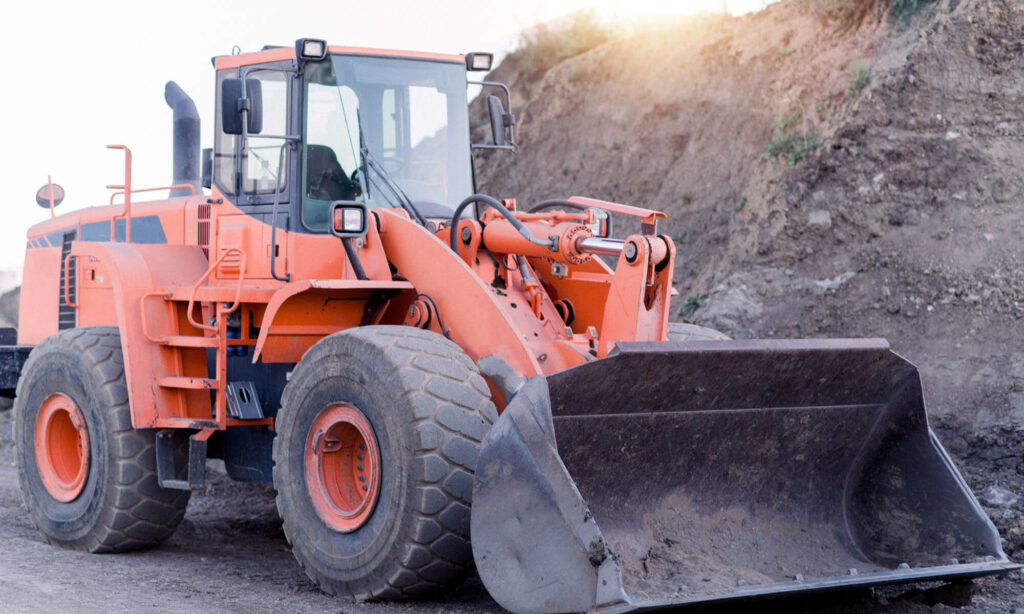
Why Does Professional Dirt Work Often Save Money for a Construction Project?
Investing in professional dirt work can save you significant time and money on a construction project. Having the land properly graded, leveled, and compacted ensures a stable and safe foundation. This reduces the likelihood of mistakes during installation, prevents costly delays, and helps your project stay on schedule from start to finish.
Professional dirt work also addresses drainage, erosion control, and soil stabilization, protecting your property from future damage. By preparing the site correctly the first time, you avoid expensive repairs, structural issues, and rework. With Blue Collar Construction’s expert services, your project moves efficiently and safely. Call (615) 241-0118 to discuss professional dirt work solutions for your property.
Estimating What Materials and Preparations Are Needed for Dirt Work
Estimating the materials and preparations needed for dirt work is critical in ensuring a smooth construction process. When you plan ahead, you can determine the right equipment, soil treatments, and grading techniques required for your project. Proper planning helps you avoid delays, extra costs, and structural issues, setting the stage for a successful build.
Several factors influence what you’ll need. Environmental considerations, such as nearby waterways or protected areas, can dictate erosion control measures. Soil type affects compaction, stability, and drainage requirements. Project size, topography, and intended use also determine the equipment and materials necessary. The sections below explore these elements in detail, helping you plan your site prep dirt work efficiently and effectively.
Environmental Considerations and Drainage Prep
When you plan a dirt work project, factoring in environmental considerations and drainage is essential for long-term success. Properly managing water flow and protecting surrounding land prevents erosion, flooding, and other damage that can compromise your project. Blue Collar Construction addresses these concerns early to keep your site safe, stable, and ready for construction.
Preparing drainage involves designing channels, installing pipes, and grading land to guide water away from foundations and roadways. Environmental factors, such as nearby streams, wetlands, or slopes, may require additional measures like silt fencing or soil stabilization. By integrating these precautions into your dirt work, you protect both the construction site and the surrounding environment, ensuring that your project proceeds smoothly and sustainably.
Soil Type and Project Scale
When you start a dirt work project, understanding the soil type and project scale is crucial for success. Different soils — clay, sand, silt, or loam — have unique drainage, compaction, and stability characteristics. Matching your techniques and equipment to the soil type ensures a solid foundation, while considering the project’s scale helps you plan resources and timelines efficiently.
Smaller residential projects may require only light grading, minor excavation, and basic compaction, while large commercial sites often demand heavy machinery, extensive earthmoving, and careful soil stabilization. By evaluating the soil conditions and overall scope of your project, Blue Collar Construction can prevent settling issues, erosion, and drainage problems, ensuring your construction site remains safe, stable, and ready for every stage of development.