
Concrete vs Asphalt Driveway: Which is Better?
Comparing concrete vs asphalt driveway surfaces involves looking at durability, appearance, and how well each option performs in Tennessee weather. Factors like long-term driveway performance, weather resistance of driveway materials, and the upfront vs lifetime cost of driveways often guide the choice. You can also consider freeze-thaw resistance and heat absorption and reflection when comparing options.
Blue Collar Construction in Dickson, TN, provides a wide range of services to support your project. Our crew handles site preparation, grading, excavation, and other essential steps that make the driveway installation process smoother. Whether you’re upgrading a property or starting fresh, we’re available to guide you when it comes to choosing the best material for driveways. Call (615) 241-0118 today discuss your project, and read on to learn more about concrete vs asphalt driveway surfaces.
Learn More About Concrete vs Asphalt Driveways! Contact us Today!
Whether you need professional concrete or asphalt driveway construction, repairs to address cracks, surface damage, or drainage issues, or additional exterior property services in Nashville and the surrounding Tennessee areas, our team tailors every consultation, estimate, and project plan to your specific driveway needs. Call us at (615) 241-0118 or fill out the form below to receive your free quote for expert concrete and asphalt driveway services.
(615) 241-0118
contact@bluecollarconstruction
services.com
An Overview of Concrete Driveways
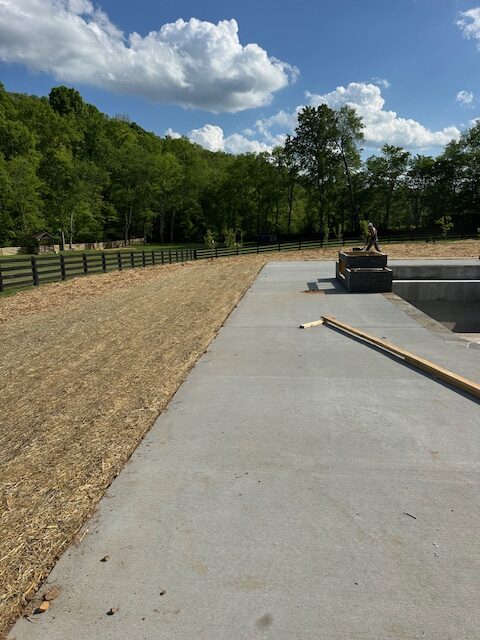
A concrete driveway gives you a strong, stable surface that handles daily use well and fits many Tennessee homes. Concrete driveway benefits include durability and dependable long-term performance. You’ll also appreciate options like decorative concrete, which can improve curb appeal without sacrificing strength.
When you look closely at concrete driveway advantages and disadvantages, you see how factors like concrete curing and finishing influence appearance and lifespan. You also weigh maintenance cost over time along with weather resistance, especially during freeze-thaw cycles. Considering concrete cracking vs asphalt potholes helps you understand how the best driveway material varies by climate and usage.
An Overview of Asphalt Driveways
An asphalt driveway gives you a surface that feels smooth under your tires and responds well to the changing rhythms of weather in the Volunteer State. You may appreciate how quickly this material is installed and how easily sealcoating can refresh its appearance. Asphalt and sealcoating are ideal if you want a driveway that’s flexible, dark, and simple to maintain.
Looking at asphalt driveway pros and cons helps you understand how it performs over the years. You might compare asphalt vs concrete cost to see how the initial price aligns with maintenance cost over time. Asphalt driveway maintenance often stays manageable, and its heat absorption and reflection can influence how it behaves through long summers. This option can work well when you want a surface that adapts to your daily routine.
Asphalt vs Concrete: Cost Comparison
Comparing driveway options helps you understand how your budget aligns with long-term goals. When you consider concrete driveway cost vs asphalt driveway cost, you notice that each material offers different advantages in installation speed, durability, and upkeep. Thinking about how these choices fit your needs can make the decision clearer.
As you review driveway paving materials, you consider both the upfront investment and what you may spend over the years. Concrete often carries a higher initial price, while asphalt may require more ongoing care. Blue Collar Construction can explain how climate, usage patterns, and expectations for appearance all influence the final surface choice and cost. Contact us today to discuss the best driveway material for your needs.
Are There Customization Options for Driveway Construction?
Driveway customization options let you create a surface that fits your lifestyle and home aesthetic. You can choose from different driveway surface options, such as concrete or asphalt, and explore decorative concrete, stamped patterns, or color finishes to enhance curb appeal. Selecting the right style ensures your driveway matches your vision and long-term performance needs.
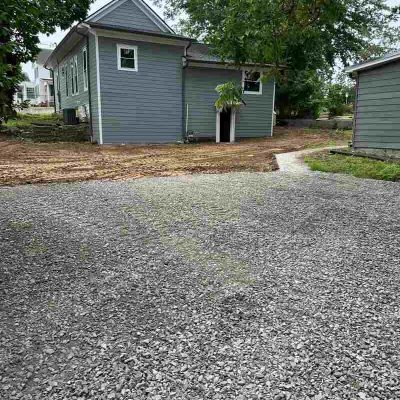
You also consider practical elements, including driveway drainage planning, base layer preparation, and grading, which influence durability and maintenance cost over time. Concrete and asphalt each allow for unique finishes. By combining style with functionality, Blue Collar Construction can achieve a driveway that’s attractive and reliable year-round.
What Durability and Maintenance Considerations Are Important When Choosing Driveway Material?
When you compare driveway surface options, durability and maintenance cost over time shape how well each surface fits your daily routine. Weather resistance of driveway materials, freeze-thaw cycles, and long-term driveway performance all influence your choice. Understanding how concrete cracking vs asphalt potholes develop helps you decide which option will stay reliable and manageable for your Tennessee property.
Asphalt Durability and Long-Term Maintenance
Asphalt gives you a flexible surface that adapts well to regular traffic and the shifting seasons in Tennessee. Its ability to handle heat absorption and reflection can be helpful during long summers, and the material often responds better to expansion and contraction than more rigid driveway paving materials. Many homeowners appreciate how quickly it recovers when routine care is maintained.
You usually focus on asphalt driveway maintenance when evaluating long-term performance. Sealcoating preserves the surface, slows aging, and reduces the likelihood of developing asphalt potholes. You may also notice that maintenance cost over time stays manageable if small issues are fixed early. When you understand how weather resistance of driveway materials affects asphalt, it becomes easier to plan for reliable performance for years.
Concrete Durability and Long-Term Maintenance
A well-built concrete surface gives you a driveway that feels solid, stable, and dependable year after year. Its strength supports heavy vehicles, and good concrete curing and finishing can boost appearance and longevity. In Tennessee’s shifting seasons, you may appreciate how a properly prepared driveway base layer helps protect the slab from weather-related stress.
Over time, you pay attention to how freeze-thaw resistance influences performance, especially if small cracks begin to appear. Managing concrete cracking vs asphalt potholes requires a different approach, and you usually find that repairs stay more predictable when the surface is kept clean and sealed as needed. With thoughtful upkeep, concrete can remain a durable choice that supports your daily routine.
Which Driveway Materials Are More Environmentally-Friendly?
When choosing eco-friendly driveway materials, you weigh both environmental impact and long-term performance. Permeable concrete, recycled asphalt, and other sustainable options let water drain naturally, reducing runoff and supporting local ecosystems. Understanding concrete and asphalt driveway pros and cons helps you see how traditional materials compare with greener alternatives while still meeting durability and maintenance needs.
You also consider factors like heat absorption and reflection, energy used in production, and the lifespan of each surface. Asphalt can be recycled, but it may require more frequent upkeep, while concrete tends to last longer with less maintenance. By selecting materials thoughtfully, you can create a driveway that balances curb appeal, functionality, and environmental responsibility for your home or property.

What Climate and Regional Factors Are Important to Consider?
When selecting the best driveway material, local climate and regional conditions play a key role. Factors like freeze-thaw resistance, heat absorption and reflection, and seasonal weather patterns can affect long-term driveway performance. Blue Collar Construction can help you understand how your property experiences temperature swings, rainfall, and sun exposure. We’ll help you choose a durable, low-maintenance, and visually appealing surface.
Heat Absorption and Reflection for Warm and Sunny Climates
Selecting the best driveway for warm climates involves considering heat absorption and reflection. Asphalt absorbs more heat, creating hotter surfaces, while concrete reflects sunlight and stays cooler underfoot. When you understand the differences, you can select the best driveway for warm climates.
You also weigh how heat affects durability. Asphalt can soften in extreme temperatures, making regular asphalt driveway maintenance important to prevent surface wear. Concrete, while cooler, may expand and develop minor cracks without proper concrete curing and finishing. Considering these factors ensures your driveway performs reliably and maintains curb appeal year-round.
Freeze-Thaw Resistance for Cold and Snowy Climates
Choosing the best driveway for cold climates means thinking beyond looks. You want a surface that withstands freeze-thaw cycles, heavy snow, and icy conditions without frequent repairs. Concrete’s rigidity or asphalt’s flexibility can make a big difference in long-term driveway performance. Selecting the right material now can save you time, money, and hassle during Tennessee winters.
When you consider freeze-thaw resistance, you see how water seeping into cracks can expand and worsen damage over time. Concrete requires proper curing and finishing to reduce cracking, while asphalt benefits from routine sealcoating to maintain durability. By focusing on maintenance cost over time and weather resistance of driveway materials, you can confidently choose the best driveway for cold climates.
Asphalt Pothole Risk Factors
A smooth, well-maintained asphalt driveway provides a comfortable driving surface and can enhance curb appeal, but understanding asphalt pothole risk factors helps you protect your investment. You’ll notice that heavy traffic, water infiltration, and fluctuating temperatures all contribute to surface wear. Addressing these risks early keeps your driveway functional and safe.
You should pay attention to how freeze-thaw cycles and poor driveway drainage planning can accelerate asphalt deterioration. Lack of timely sealcoating may allow small cracks to expand into potholes. Even issues like a weak driveway base layer or improper driveway preparation and grading can increase repair needs. By monitoring these factors and staying on top of maintenance, you extend long-term driveway performance while avoiding costly damage.
Concrete Cracking Risk Factors
The best material for driveways balances appearance, durability, and maintenance. Concrete offers many benefits, including strength, low long-term upkeep, and the ability to customize with decorative concrete. Understanding concrete driveway advantages and disadvantages helps you prepare for potential challenges, like cracking, while maximizing curb appeal and long-term performance on your Tennessee property.
You’ll notice that concrete cracking often results from factors like poor driveway base layer preparation, improper concrete curing and finishing, and freeze-thaw cycles. Heavy loads or inadequate drainage can worsen small fissures. Even with these risks, concrete remains one of the best driveway materials when properly installed and maintained. By planning carefully and monitoring your surface, you can enjoy a durable, visually appealing driveway for years to come.
Get Your Free Concrete or Asphalt Driveway Quote Today
What Is the Installation Process for Concrete and Asphalt Driveways?
Understanding the driveway installation process allows you to prepare for the time and expense. Comparing concrete driveway cost vs asphalt driveway cost gives insight into the cost to install a new driveway, while also highlighting differences in preparation, materials, and finishing. Knowing these steps ensures a smoother, more reliable project outcome.
Asphalt Driveway Installation
An asphalt driveway can be completed relatively quickly and gives you a smooth, durable surface. You’ll notice that proper grading and a well-compacted driveway base layer are essential for long-term performance. Following the correct steps reduces the risk of potholes and ensures the surface remains even and reliable for years.
During the driveway installation process, hot asphalt is laid in layers, compacted, and shaped to allow proper drainage. You’ll also consider sealcoating after installation to protect against wear and extend longevity. Understanding asphalt driveway pros and cons, along with maintenance cost over time, helps you plan for a driveway that balances performance and curb appeal.
Concrete Driveway Installation
A concrete driveway gives you a long-lasting, sturdy surface that improves curb appeal and supports heavy vehicles. You’ll benefit from a clean, polished look and the ability to customize with decorative concrete. Planning carefully during the driveway preparation and grading phase ensures proper drainage and a strong base, setting the stage for reliable performance in Tennessee’s changing climate.
Concrete is poured over a well-compacted base layer, carefully leveled, and finished to achieve smoothness and durability. By understanding concrete driveway advantages and disadvantages, including long-term maintenance considerations, you can create a driveway that stays functional, attractive, and dependable for years.
Which Driveway Material is Right for Your Needs?
Choosing the right driveway material depends on your priorities for durability, maintenance, and appearance. You need to weigh factors like long-term driveway performance, weather resistance, and upfront vs lifetime cost. Considering the Tennessee climate and how each material handles freeze-thaw cycles and heat absorption helps you make a practical, informed choice for your property.
Concrete and asphalt each offer benefits. Concrete driveway benefits include strength and low maintenance, while asphalt can be quicker to install and easier to repair with routine sealcoating. Blue Collar Construction can help you evaluate driveway paving materials, maintenance cost over time, and curb appeal, you can select a surface that fits your lifestyle. Contact us today to discuss your project.
Why Is It Important to Hire a Professional Contractor for Your Driveway Installation?
Hiring a professional contractor like Blue Collar Construction ensures your driveway is installed correctly, saving you from mistakes that can cause issues and further costs later on. You benefit from experienced driveway preparation, grading, and proper driveway base layer construction. Our professional expertise helps your project run smoothly.
Blue Collar Construction’s skilled team manages the driveway installation process efficiently, whether working with asphalt or concrete. We understand long-term driveway performance, freeze-thaw resistance, and proper finishing techniques to prevent cracking or potholes. By relying on trained professionals, you protect your investment, enhance curb appeal, and enjoy a durable, reliable driveway. Call (615) 241-0118 today for an estimate on your driveway project.